
Table of Contents
Scientists at the Australian National University have found that altering a single atom within an already highly engineered enzyme can significantly boost its ability to break down plastic — without sacrificing the enzyme's stability, a trade-off that has long dogged protein engineering.
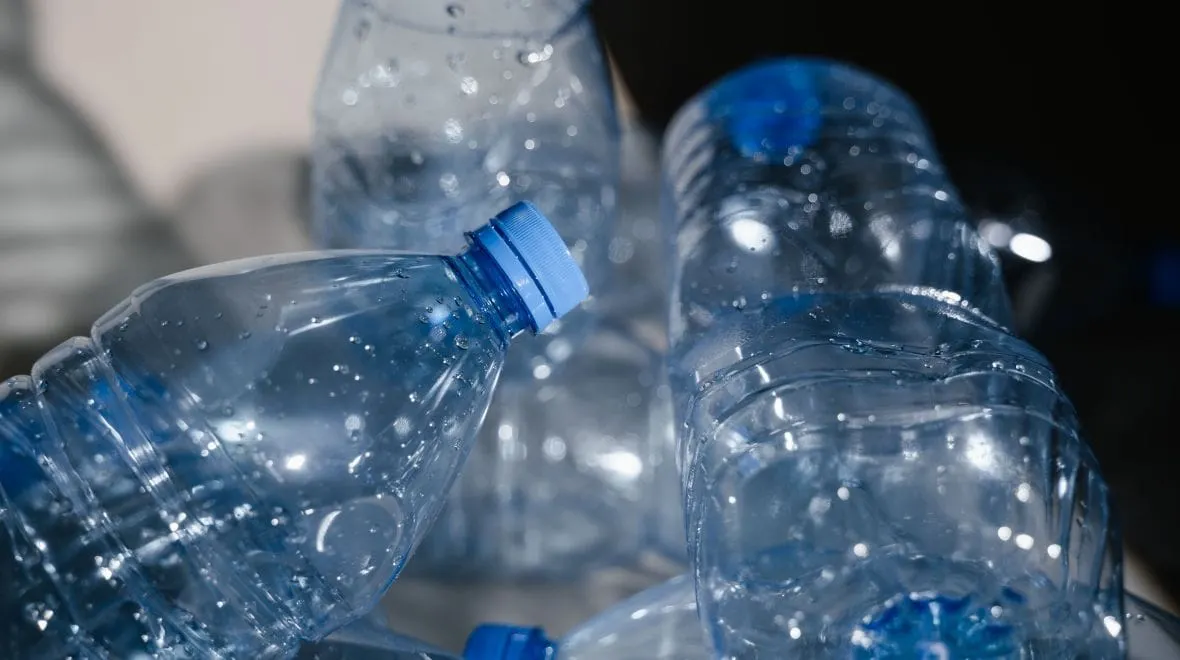
The work focused on PET hydrolases, enzymes known as PETases that break down polyethylene terephthalate, one of the most common plastics in everyday packaging. These enzymes had already been extensively refined through computational design, but researchers kept running into a ceiling: pushing an enzyme to work faster tended to make it less structurally stable, and vice versa.
The ANU team, led by Dr. Elwy Abdelkader of the Research School of Chemistry, got around that limit not by redesigning the enzyme wholesale but by making an extremely narrow substitution. They replaced tryptophan, a standard amino acid, with a close chemical cousin called azatryptophan — differing by just one atom, where a carbon-hydrogen group is swapped for nitrogen. Inserted at a single site in the enzyme, the change nearly doubled the rate at which the enzyme degraded PET, while the enzyme's heat tolerance held steady.
According to Abdelkader, the result undercuts the assumption that meaningful gains in enzyme performance require piling on multiple mutations; a single, precisely placed atomic change proved enough to shift how the enzyme functions.
To support the work, the team also built a faster diagnostic tool, dubbed PETra, that measures how well a given enzyme degrades plastic in a matter of minutes rather than the hours or days needed for conventional testing. Because solid PET is hard to work with directly, PETra relies on a soluble, fluorescent stand-in for the plastic. The researchers found its readings tracked closely with actual PET breakdown, making it a much faster way to screen new enzyme variants going forward.
Co-author Professor Thomas Huber framed the broader implication: protein engineering has traditionally been boxed in by the 20 amino acids found in nature, and techniques for inserting non-standard amino acids at specific sites open the door to fine-tuning proteins with a precision that wasn't previously practical. The team suggested the same atomic-substitution strategy could extend past plastics recycling into other areas of biotechnology, manufacturing, and medicine.
The findings appear in Angewandte Chemie International Edition.